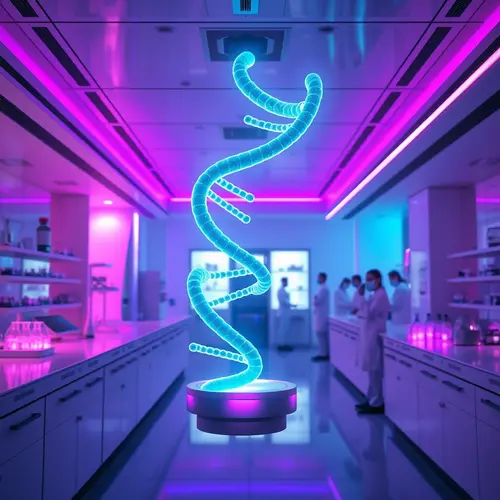
Imagine a world where new technology in medicine treats illnesses before symptoms even begin, where surgeries require no scalpels, and where your body can be healed using your own cells. That world is not tomorrow. It’s now. Welcome to the dawn of modern medical technology, where cutting-edge innovations are not just improving healthcare—they are transforming the very essence of healing.
Every few decades, humanity experiences a leap forward. Fire. Electricity. The internet. Today, that leap is happening in hospitals, labs, and even in wearable devices. And this time, it’s personal. Not only for scientists or tech developers, but for every parent praying for a cure, every child fighting for breath, and every senior yearning for just a few more pain-free years.
New technology in medicine is breaking boundaries once thought impossible. From AI-powered diagnostics to tailor-made gene therapies, we are entering a golden age of medical miracles—quiet revolutions that are saving lives with astonishing speed and precision.
New Technology in Medicine: Marvels Behind Care
Let’s delve deeper. What’s really happening behind the sterile walls of modern hospitals and research labs? The answer lies in synergy—a powerful combination of computing, biology, and compassionate care.
Take new technology in medicine like CRISPR-based gene editing. Just a few years ago, genetic disorders like muscular dystrophy or cystic fibrosis felt like life sentences. Today, we’re seeing the first successful treatments where a single, personalized injection repairs faulty DNA. Healing, quite literally, from the inside out.
Or consider artificial intelligence in diagnostics. AI doesn’t get tired, doesn’t miss subtle patterns, and doesn’t forget. In seconds, it can scan thousands of images—MRIs, CT scans, X-rays—spotting early signs of diseases like cancer, Alzheimer’s, or heart failure, long before human doctors could. That means earlier interventions, more accurate diagnoses, and most importantly, higher survival rates.
And then there’s the rise of non-invasive treatments. Neurological disorders like depression or PTSD are now being treated with wearable brainwave-modulating devices. No drugs. No side effects. Just science meeting the soul, gently guiding the brain back to equilibrium.
This is not science fiction. It is the empowering result of new technology in medicine reshaping what we believe is possible.
Why New Technology in Medicine Matters to You
Why should this matter to you?
Because health is no longer reactive—it’s becoming proactive. With smart health trackers, cloud-connected monitoring systems, and real-time data analytics, modern medical technology is giving patients power. You’re not just a passive receiver of treatment anymore; you’re an active participant in your own well-being.
Because families are now experiencing hope in the form of personalized medicine. Imagine a child born with a rare disease receiving a custom-engineered treatment just for them—no more generic protocols, no more painful trial-and-error therapies.
Because in the near future, hospitals won’t just be places of recovery—they’ll be epicenters of innovation. Robotic surgeries with microscopic precision. Virtual reality tools helping stroke patients rebuild neural pathways. AI nurses offering 24/7 care at home.
Every heartbeat, every breath, every drop of blood is now being understood in ways once unimaginable. That’s the power of modern care—it brings clarity, control, and care, all at once.
What You Can Do Today
Start by staying informed. The more you know about the innovations available, the better decisions you can make for yourself and your loved ones.
Ask your healthcare provider about recent advancements that may affect your treatment options. If you’re dealing with a chronic illness, research whether any trials or technologies are emerging in that space.
Support institutions and organizations investing in medical innovation. Your voice, your vote, and your engagement can fuel continued progress in the field of healthcare.
And finally, embrace optimism. It’s easy to be overwhelmed by headlines. But underneath the noise, there is a steady, undeniable pulse of progress. Real people are being saved. Real suffering is being eased.
Adoption Checklist for Clinics
Start with one bottleneck patients mention most, such as scheduling or result waits. Measure the current delay and set a target.
Next, trial a single digital fix with one care team for a month. Track satisfaction and throughput weekly before expanding.
Review results with staff and adjust training. Guidance from HealthIT resources helps teams plan safe pilots.
Name one painful delay first.
Trial one fix for a month.
Track satisfaction weekly.
Review results openly.
Train staff on new steps.
Keep patients central to every change. Tools should shorten waits while people deliver comfort.
What to Ask Your Clinic
Ask which technologies your clinic already uses and which remain experimental. Proven tools carry trial data your doctor can explain in plain terms.
Request a timeline for results and follow-ups before agreeing to new tests. Clear expectations reduce anxiety and prevent surprise bills later.
Tracking Your Own Records
Keep a simple folder with visit notes, prescriptions, and test results in one place. Bring it to every appointment so nothing gets repeated or missed.
Note symptom changes with dates between visits. Short dated entries help doctors spot patterns faster than memory alone during brief consultations.
Finally, share your notes openly with every member of your care team. Aligned records prevent conflicts and keep treatment moving forward.
Staying Current Without Worry
Follow one trusted health source instead of scattered headlines. Steady updates from a single outlet beat anxious scrolling through rumors.
Discuss promising news with your doctor before changing anything. Professional guidance separates proven options from early experiments worth watching patiently. Bring a family member to important visits for a second pair of ears.
What is new technology in medicine?
It covers AI triage, robotic surgery, and gene therapies entering care. Each aims to catch illness earlier and treat it precisely with fewer side effects.
How does it save lives?
Earlier detection plus precise treatment lifts survival rates steadily. Remote monitoring catches decline between visits before crisis hits and guides timely action.
What should patients know?
Ask your clinic which tools are proven versus experimental. Track your own records and discuss options openly with doctors.
Olivia Taylor covers technology and smart devices since 2020, testing 60+ gadgets, apps, and workflows on usefulness, cost, and ease to help everyday users choose with confidence.